Professional Construction Services in Jacksonville
Top Trends in Commercial Construction: Breakthroughs Reshaping the Future of Business Spaces
Rapid evolution characterizes the commercial construction landscape, propelled by advancements prioritizing efficiency and sustainability. Innovations such as smart building technologies and eco-friendly materials are transforming traditional practices. Modular construction is altering project timelines, while advanced project management tools enhance collaboration. As these developments gain momentum, they're creating more versatile and effective business environments. These transformations call for deeper investigation into their lasting impact on the industry.
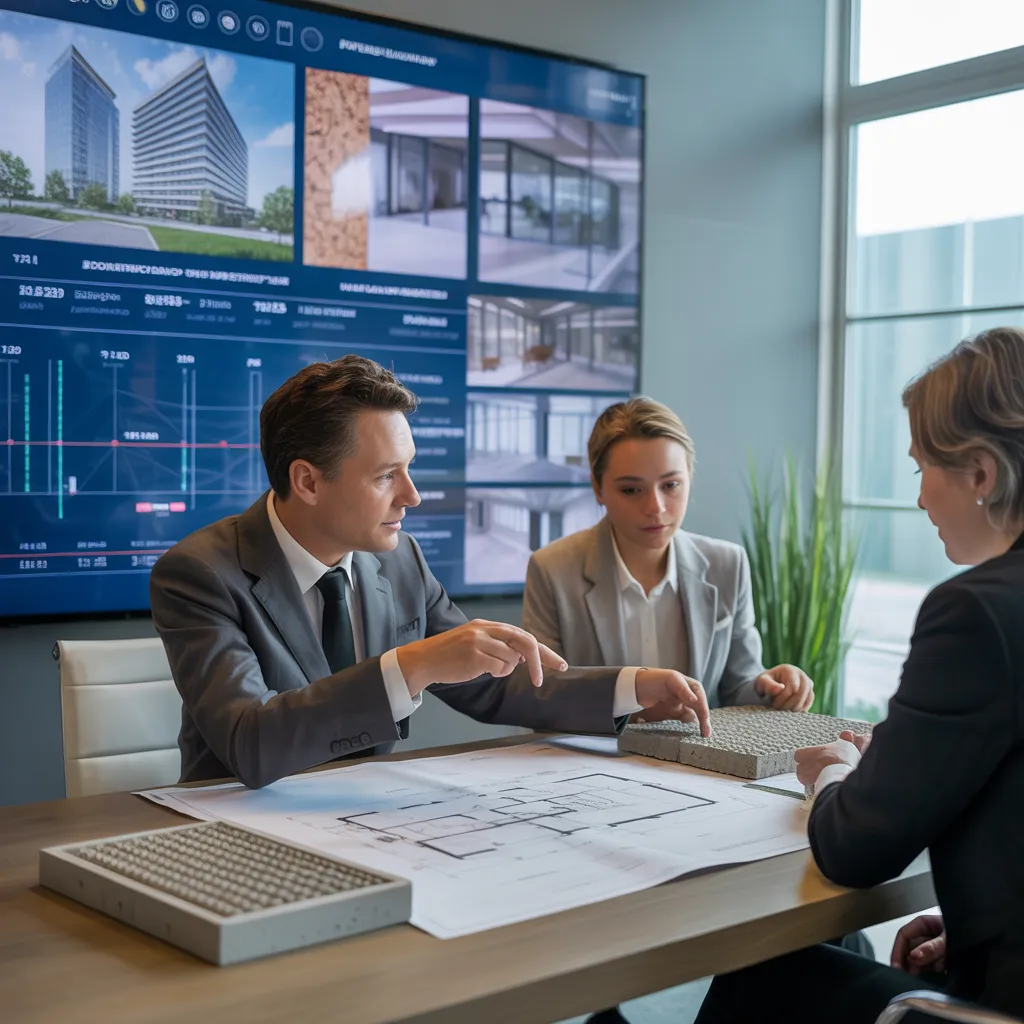
Intelligent Building Technologies
As energy efficiency demands and user experience expectations increase, smart building technologies have appeared as an important factor in commercial construction. These innovative systems merge automation, data analytics, and connectivity to optimize building performance and occupant comfort. Features encompassing smart lighting, climate control, and security systems not only minimize operational costs but also improve energy management.
Furthermore, the Internet of Things (IoT) fulfills an significant role, enabling devices to communicate seamlessly, thereby enabling real-time monitoring and adjustments. Building management systems harness this data to foresee maintenance needs and improve safety protocols.
Adopting these technologies shows a larger shift moving to more intelligent workspace designs that focus on sustainability and user engagement. As businesses understand the value of smart buildings, the trend is anticipated to advance more rapidly, driving innovation and setting new standards for commercial environments. Ultimately, smart building technologies are redefining how spaces more about AArdvark Electric Service Inc. are created and operated in the modern age.
Sustainable Materials for the Environment
The utilization of eco-friendly and sustainable materials in commercial construction is rapidly gaining traction. This trend includes the integration of recycled building components, the use of renewable resources, and the implementation of power-efficient design solutions. These practices not only lower environmental impact but also strengthen the overall sustainability of construction projects.
Recycled Building Parts
More and more commercial construction projects are adopting recycled building parts, reflecting a substantial shift towards sustainability and eco-friendliness in the industry. These materials, often sourced from deconstructed buildings, can include reclaimed wood, recycled metal, and repurposed concrete. Using such materials not only reduces waste but also lowers the demand for new raw materials, thereby minimizing the environmental footprint of construction activities. Additionally, projects that utilize recycled materials often experience cost savings, as these components can be less expensive than new alternatives. As awareness of environmental issues continues to increase, the adoption of recycled building parts is expected to play an important role in shaping a greener future for commercial construction.
Green Resource Application
Adopting sustainable and eco-friendly materials has become a primary priority in commercial construction, reflecting the industry's expanding commitment to environmental responsibility. Architects and builders are progressively utilizing renewable resources such as bamboo, reclaimed wood, and recycled metals. These materials not only reduce the carbon footprint but also enhance the aesthetic appeal of business spaces. The use of bioplastics and natural fibers is also gaining traction, providing alternatives to conventional materials that may harm the environment. Furthermore, companies are prioritizing suppliers who comply with sustainable practices, supporting a circular economy approach. This shift signifies a more comprehensive trend towards creating healthier work environments while minimizing waste, ultimately serving both occupants and the planet.
Sustainable Design Solutions
While the movement for sustainability in commercial construction gains momentum, energy-efficient design solutions are becoming integral to projects. These solutions incorporate the use of sustainable and eco-friendly materials that reduce environmental impact. Innovations such as high-performance insulation, energy-efficient windows, and renewable building materials are gaining acceptance. Additionally, the integration of smart technologies improves energy management, streamlining resource consumption. Architects and developers are progressively prioritizing designs that facilitate natural light and ventilation, decreasing reliance on artificial lighting and HVAC systems. This approach not only lowers energy costs but also enhances occupant comfort. By adopting energy-efficient design solutions, the commercial construction industry is not only meeting regulatory requirements but also contributing to a more sustainable future, thereby attracting sustainability-focused businesses and clients.
Prefabricated Construction and Modular Building
Modular and prefabricated building methods are gaining momentum in the commercial sector due to its ability to significantly speed up project timelines. This progressive approach not only decreases construction duration but also delivers cost efficiency advantages by decreasing labor and material waste. As businesses strive to optimize their building processes, the attraction of modular solutions continues to grow.
Speed of Construction
The advent of modular and prefabricated construction methods has revolutionized the landscape of commercial building projects, substantially enhancing the speed of construction. By enabling components to be produced off-site, these methods minimize on-site assembly time substantially. This streamlined approach allows contractors to complete projects faster, reducing delays connected to traditional construction processes. Additionally, modular construction often functions on a parallel timeline, with site preparation occurring simultaneously with module production, further accelerating completion. The efficiency of this method not only shortens project durations but also enables quicker occupancy, catering to businesses anxious to establish their presence. As a result, the adoption of modular and prefabricated approaches is transforming timelines in commercial construction, highlighting speed without sacrificing quality.
Economic Efficiency Advantages
As companies seek to maximize their budgets, the cost efficiency of modular and prefabricated construction methods serves as a notable advantage. These innovative approaches considerably reduce labor costs and construction time, enabling quicker project completion. By assembling components in a controlled environment, manufacturers reduce material waste and guarantee higher quality control, which leads to fewer on-site errors and delays. In addition, the ability to standardize designs can enable bulk purchasing of materials, further driving down costs. Additionally, the flexibility of modular designs enables businesses to adapt spaces as needed without incurring substantial expenses. Overall, the financial benefits of modular and prefabricated construction make it an attractive option for companies aiming to enhance profitability while maintaining modern, functional workspaces.
Enterprise-Level Project Oversight Software
Although traditional project management tools have met basic needs, advanced project management software is transforming the commercial construction industry. These sophisticated platforms offer real-time collaboration, enabling project teams to share information instantly, strengthening communication and decision-making. By integrating features such as scheduling, budgeting, and resource allocation, this software simplifies processes, decreases delays, and reduces cost overruns.
Furthermore, advanced project management software employs data analytics, permitting managers to track performance metrics effectively and identify potential issues before they escalate. Cloud-based solutions further enhance accessibility, enabling stakeholders to monitor project developments from any location. Automation of routine tasks not only enhances efficiency but also frees up human resources for more strategic activities.
Given the increasing complexity within commercial construction, implementing advanced project management software enables firms to remain competitive, respond agilely to challenges, and deliver projects that fulfill modern market needs.
Wellness Integration and Biophilic Design
Implementing biophilic design into commercial construction elevates not only visual attractiveness but also promotes the well-being of occupants. This design approach focuses on the connection between humans and nature, embedding natural elements such as plants, light, and water features into the built environment. By implementing these elements, businesses cultivate a more beneficial workplace, improving employee satisfaction and productivity.
Evidence suggests that exposure to nature can decrease stress and increase mental clarity, making biophilic design an essential consideration in modern commercial spaces. Features like green walls, natural ventilation, and plentiful daylight contribute to a more inviting atmosphere, promoting collaboration and creativity among employees. Moreover, the incorporation of wellness amenities, such as fitness areas and relaxation zones, corresponds to a growing recognition of the importance of mental and physical health in the workplace. Overall, biophilic design and wellness integration are redefining commercial construction, creating spaces that enhance both productivity and well-being.
Energy Efficiency and Renewable Energy Solutions
Renewable energy solutions and energy efficiency are emerging as essential elements of commercial construction, driven by both economic advantages and environmental considerations. Building professionals and enterprises continually focus on sustainable practices, recognizing that energy-efficient buildings lower operational costs and enhance long-term viability. Advanced solutions including advanced insulation, energy-efficient HVAC systems, and smart building technologies contribute to reducing energy consumption.
In addition, the integration of clean energy solutions, including solar panels and wind turbines, empowers commercial properties to produce their own energy, consequently lessening the need for fossil fuels. This shift not only ensures regulatory compliance but also engages environmentally conscious consumers.
As enterprises seek to reach sustainability goals, energy efficiency and renewable energy solutions are crucial for creating resilient and adaptable business spaces. Consequently, industry stakeholders must adopt these innovations to remain competitive in an evolving market landscape, guaranteeing a positive impact on both the environment and the economy.
The Growth of Remote Collaboration Platforms
As organizations transition to a more flexible work environment, the rise of remote collaboration tools has transformed the landscape of commercial construction. These digital platforms facilitate seamless communication among architects, contractors, and clients, regardless of their physical location. Advanced video conferencing, project management software, and real-time design collaboration have optimized processes, reducing delays commonly associated with traditional methods.
Moreover, remote collaboration tools encourage greater transparency and accountability. Stakeholders can monitor project progress and give feedback immediately, securing alignment on goals and expectations. This shift not only improves efficiency but also fosters innovation, as teams can share ideas and solutions more freely.
Moreover, the integration of augmented reality in these tools permits stakeholders to visualize alterations and assess designs in real-time. As remote collaboration advances, it will play a crucial role in shaping the future of commercial construction, encouraging a more connected and responsive industry.
Questions & Answers
How Do Commercial Construction Trends Affect Real Estate Values?
Shifts in corporate construction considerably impact property values by boosting aesthetics, improving energy efficiency, and incorporating contemporary technologies. These components increase demand, attract superior tenants, and ultimately contribute to increasing property market valuations.
What Are the Usual Costs Tied to Implementing These Innovations?
Common expenses linked to implementing innovations in commercial construction include costs for advanced materials, technology integration, labor, and project management. These factors combined shape budgeting and financial planning for construction firms and investors in the industry.
How Can Organizations Choose the Right Construction Partner?
Businesses must evaluate potential construction partners based on track record, reputation, completed projects, and communication capabilities. Additionally, evaluating financial soundness and client references can help provide a dependable and skilled partnership for successful project outcomes.
What Are the Regulatory Challenges in Adopting New Construction Technologies?
Regulatory obstacles in the adoption of innovative construction technologies encompass maneuvering through complex zoning laws, securing required permits, following safety standards, and ensuring compliance with environmental regulations, all of which can delay implementation and increase costs for businesses.
How Do These Trends Impact Employee Productivity in Workspaces?
These movements boost employee productivity by building flexible, technology-driven environments that foster collaboration, well-being, and efficiency. Better design elements, like natural light and ergonomic spaces, benefit worker morale and overall performance.